Posts

Showing posts matching the search for positive training

To Promote Positive Reinforcement Dog Training, Teach, Engage, and Amplify

Image
Three tips to encourage and support people to use reward-based training methods with their dog or other pet. Photo: D.K. Grove/Shutterstock By Zazie Todd, PhD This page contains affiliate links which means I may earn a commission on qualifying purchases at no cost to you. How can we encourage more people to use positive reinforcement to train their dog? Those of you who know me know that this question is often on my mind. It’s because positive reinforcement is good for animal welfare and fun for the dog. I explore some of this in the post that kicked off the very first Train for Rewards blog party, seven reasons to use reward-based training methods . I even wrote an article for the Journal of Veterinary Behavior about the barriers to the adoption of humane dog training methods , which you can read about in why don’t more people use positive reinforcement to train dogs . Today, I want to share three tips that we all can use to help encourage and support people to use re...
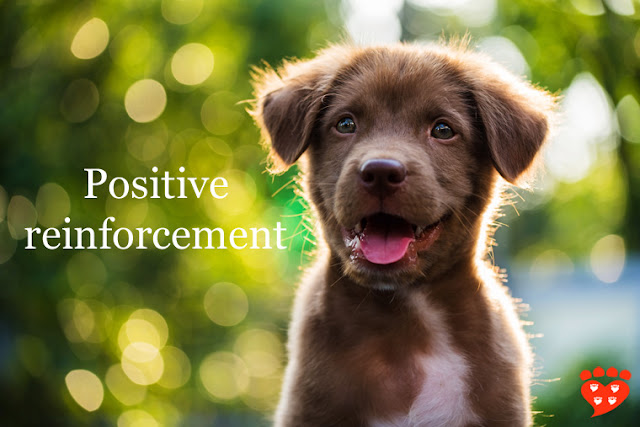
What is Positive Reinforcement in Dog Training?

Image
A user-friendly guide to everything you need to know about positive reinforcement in dog training. By Zazie Todd PhD This page contains affiliate links which means I may earn a commission on qualifying purchases at no cost to you.     If you are new to dogs, or new to dog training, this article on positive reinforcement is for you. It covers technical definitions, the practicalities, reasons to use positive reinforcement and some common mistakes that people make. At the end, there are suggested resources in case you want to learn more. Positive reinforcement training is fun, and lots of people get the training bug. Hopefully that will include you too. When people talk about positive reinforcement dog training, they sometimes refer to it as positive dog training, force free dog training, clicker training, even science-based dog training. Some of these terms relate to a wider dog training philosophy as well as a specific method, and those philosophical and ethical iss...

Positive Reinforcement and Dog Training

Image
This week is the start of a series about the science of positive reinforcement in dog training. By Zazie Todd, PhD Whether you already use positive reinforcement , or you’re yet to be sold on the idea, this series is for you. I’m going to look at studies that investigate different methods of training, and consider what they mean for the average dog owner. Some time ago, there was a change in the way dogs are trained. Instead of using punishment when dogs did the wrong thing, people started to reward dogs for doing the right thing – and ignore what they did wrong, or distract them from it. But in everyday life, you hear people talk about dominance in dogs , even though we know that dominance – as the term is usually used – is a myth. And when you watch TV, some trainers still use punishment. You can watch two different dog programmes and see completely different approaches to the same problem, whether it’s pulling on a leash, begging at table, or growling at skateboards and ...

What Is Positive Punishment in Dog Training?

Image
Everything you need to know about the use of positive punishment in dog training. Photo: JJ Photographer/Shutterstock By Zazie Todd, PhD This page contains affiliate links which means I may earn a commission on qualifying purchases at no cost to you     If you are a new dog owner, or even if you’ve been around dogs  for a while, this article is for you. It covers the technical definition of positive punishment, examples of what it is, what we know about the risks of using it and what professional organizations advise. Let’s get the technical definition out of the way first. What is positive punishment in dog training? You’ll have noticed I said positive punishment instead of just punishment. In everyday language, we often say punishment when what we technically mean is positive punishment. We can also have negative punishment, but that will be the topic of another post. Punishment means something that reduces the likelihood of a behaviour happening again i....

Follow me!