Posts

Companion Animal Psychology News November 2016

Image
The latest news on dogs and cats from Companion Animal Psychology, November 2016. By Zazie Todd, PhD Some of my favourite posts from around the web this month This page contains affiliate links which means I may earn a commission on qualifying purchases at no cost to you. Hot dogs offer window into canine emotions by Julie Hecht, MSc (DogSpies). Camera shy to camera guy : Helping an anxious dog to overcome their fears by Kristi Benson CTC. Why you should stop chanting cues at your dog by Allison Wells CTC. Think like a cat . John Bradshaw PhD considers the latest research on feline intelligence.   It’s more than just a box!  Ingrid Johnson CCBC takes a pictorial look at all the enrichment cardboard boxes can provide for cats.   Pets in the news… “Our canine companions developed the ability to digest starchy foods during the farming revolution thousands of years ago, according to DNA evidence.” Dog’s dinner: DNA clue to how...

Interview with Jean Donaldson on The Culture Clash

Image
To mark 20 years since the publication of The Culture Clash , I spoke to Jean Donaldson about dogs and dog training. Jean with Brian (front) and friend's dog, Turtle By Zazie Todd, PhD This page contains affiliate links which means I may earn a commission on qualifying purchases at no cost to you. This year is 20 years since the publication of Jean Donaldson’s influential book Culture Clash . Funny, intelligent, and very much about the dog’s point of view, The Culture Clash is still highly recommended by dog trainers around the world. The book shows a strong commitment to training without aversives and provides the technical know-how too. Dr. Ian Dunbar called it “Simply, the best dog book I have ever read!” I was thrilled to speak with Jean about the book, how things have changed for dogs , and how we can continue to change things for the better. Zazie: It’s been 20 years since the publication of The Culture Clash. It’s a book that’s still in print, and it’s been ...

Vertical Space is Good Enrichment for Cats

Image
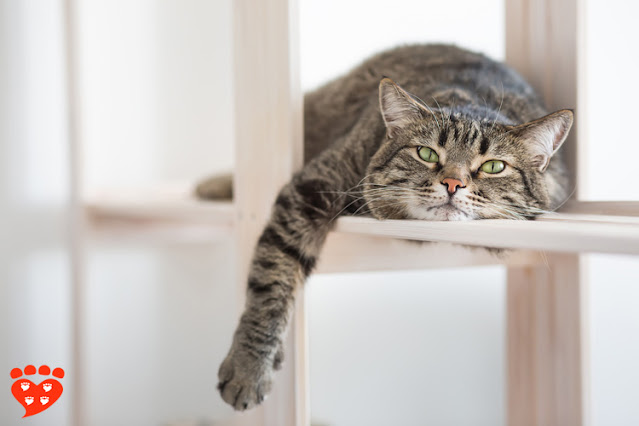
Cats like high up spaces, this study shows. It's a great idea to let cats use vertical space in your home via shelves and walkways. By Zazie Todd, PhD This page contains affiliate links which means I may earn a commission on qualifying purchases at no cost to you. A study by Emma Desforges (Waltham Centre for Pet Nutrition) et al finds that adding a vertical screen is good enrichment for cats. And while the study used cats that live at the Waltham research centre, the results suggest pet cats could benefit too. The scientists took an Ikea bookcase called Kallax in which the shelves are subdivided. They put half the backing on one side and half on the other, so that some shelves faced one way and the rest the other way (8 spaces arranged 2 x 4 per side). Then they put it in the middle of a room. If you’re thinking crazy cat lady organizer, you’re not far off, but this version is taller. Reproduced from Desforges et al (2016) under Creative Commons licence T...

Companion Animal Psychology Book Club: November 2016

Image
The book of the month is The Trainable Cat by John Bradshaw and Sarah Ellis. By Zazie Todd, PhD This page contains affiliate links which means I may earn a commission on qualifying purchases at no cost to you. The Companion Animal Psychology Book Club starts this month with discussion of The Trainable Cat. Are you reading alongside us? The Facebook group to discuss the books filled up in less than three days. Apologies but no new members are currently being accepted. However you can still follow along on the blog. Each month I will post a list of the discussion questions, along with some highlights of the discussion. You will be able to leave your thoughts on the book in the comments section. Through the book club, we will learn more about companion animals and our relationship with them, build up a nice library of books about animals, and of course enjoy talking about the books. I look forward to hearing your thoughts on The Trainable Cat. I’ll post an update on the ...

Testing an Automated and Humane Way to Resolve Barking

Image
Teaching a quiet behaviour using an automatic feeder is a promising solution to barking problems. By Zazie Todd, PhD This page contains affiliate links which means I may earn a commission on qualifying purchases at no cost to you. Some dogs bark when their owner is out and they are left home alone. A recent study by Alexandra Protopopova  (Texas Tech University) et al investigates the effectiveness of a humane, automated approach to solving barking problems. The research was conducted because some owners use citronella or shock collars to try and prevent their dogs from barking. While the devices may sometimes work, there are concerns they may also have adverse effects. For example, if a dog barks when they see people going by the window and then receives a burst of citronella or an electric shock, they may associate the unpleasant experience with people and become fearful and/or aggressive. Because of these welfare concerns, some organizations recommend against their u...

Study Shows Just How Stressed Dogs Are at the Vet's

Image
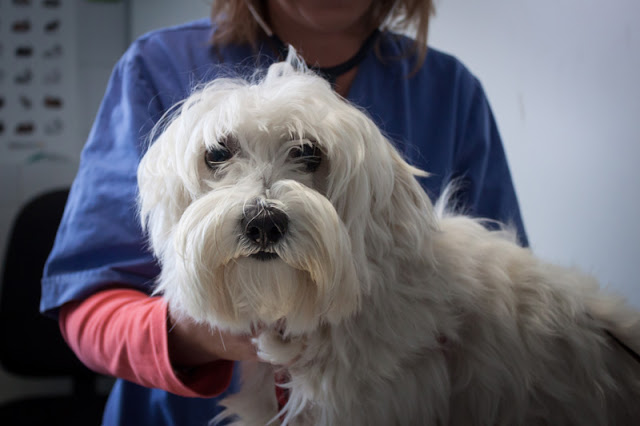
Most dogs show signs of impaired welfare at the vet, according to their owners, and too many people scold their dog at the vet. By Zazie Todd, PhD This page contains affiliate links which means I may earn a commission on qualifying purchases at no cost to you. A survey of 906 dog guardians in Italy found most people report their dog as being stressed at all stages of the visit to a vet clinic, from being in the waiting room to being examined by the vet. 6.4% of dogs had actually bitten their guardian at the vet and 11.2% had growled or snapped at the vet. The report by Chiara Mariti (University of Pisa) et al draws important conclusions about what owners and vets need to do to help dogs at the vet, including teaching them to be handled. The scientists write, “It is in fact alarming that only one third of dogs seemed to tolerate all kinds of clinical handling carried out by the vet. “The proportion of guardians who resorted to scolding their dogs if they refused to be trea...

A Windstorm is a Reminder of Disaster Preparation for Pets

Image
The best time to start disaster preparation for your pet is now. Photo:  Josh Powell (Shutterstock.com). By Zazie Todd, PhD This page contains affiliate links which means I may earn a commission on qualifying purchases at no cost to you. Recently, like many people in this part of the world, we heard there was a big storm on the way. The third of three windstorms was said to be the most powerful. Since we live in an area with many beautiful trees and the power lines are above ground, it does not take much to knock out the power. In the end, we were lucky. The storm was not as strong as predicted, and it changed track and went further north. But it’s a reminder that we all need to be prepared for emergencies. And pets are an important part of our emergency preparedness . Planning starts with thinking about the kinds of emergencies you might face. Maybe you live in an area that is prone to floods or forest fires, or has the potential for big earthquakes. It’s helpful to thi...

Follow me!